Five Cups. Nobody Has Been Told to Cry Yet.
A Marseille deck with Fauvist blood and room to move.
Open a Rider-Waite Five of Cups and grief has already moved in. Taken the best chair. Started explaining your emotional situation before you've had coffee. There's a hooded figure staring at three spilled cups with the full-body commitment of someone who's been assigned "devastated" by the art department and never once questioned the casting.
Two cups are still standing behind him, but that information has been visually deprioritized because we're doing MOURNING right now. Context can wait.
(The Rider-Waite grieving figure, overhearing this: "Excuse me. EXCUSE ME. I have been standing in the rain of my own emotional devastation for over a hundred years. I have TENURE in this grief. My slumped shoulders have been peer-reviewed. And you're telling me there's a deck where the Five of Cups is just... five cups? Sitting there? No pre-assigned existential crisis? I didn't spend a century as everyone's sad screensaver to be replaced by GEOMETRY.")
Now. Open a Marseille Five of Cups.
Five cups. Arranged. Present. Silent. Nobody's grieving. Nobody's been told to. Your eyes land on the image and your chest gets to respond before the illustration has finished your sentence. Something tightens. Something opens. The symbol arrives on skin before it reaches logic.
Look at what that leaves available. What is held? What is being offered? Is there nourishment, excess, exchange... a capacity waiting to be filled? Where does the arrangement feel complete, and where does it pull you forward like a question your body asked before your mouth caught up?
The surrounding cards matter. The question matters. The same five cups can participate in wildly different readings depending on who shows up and what they're carrying in their nervous system when they sit down.
I love that space. I love being allowed to look before the narrative is assigned.
The simplicity asks for attention. And attention... when you actually give it... turns a few objects into a remarkably articulate conversation. You start noticing relationships. How forms meet. How they repeat. Where they gather. Where an opening appears that you hadn't noticed until this particular question.
This is why I work with Marseille. The symbolic language is extraordinary. Number. Suit. Arrangement. Repetition. Relationship. The image offers a structure, and your question brings it alive. Your life walks in, sits down, and suddenly the geometry has something to say that couldn't have been scripted.
Here's the thing, though.
I love Marseille. I also, occasionally, while looking at it, wanted to turn up the saturation with the urgency of someone adjusting the heating in a very beautiful, very cold house.
The structure was there. The intelligence was there. My eyes wanted more colour. My entire visual system was filing a polite but increasingly firm request: We appreciate the elegance. We respect the tradition. But could we get some LIFE in here? Something that doesn't just inform the retinas but makes them feel like they've been taken somewhere?
That desire became this deck.
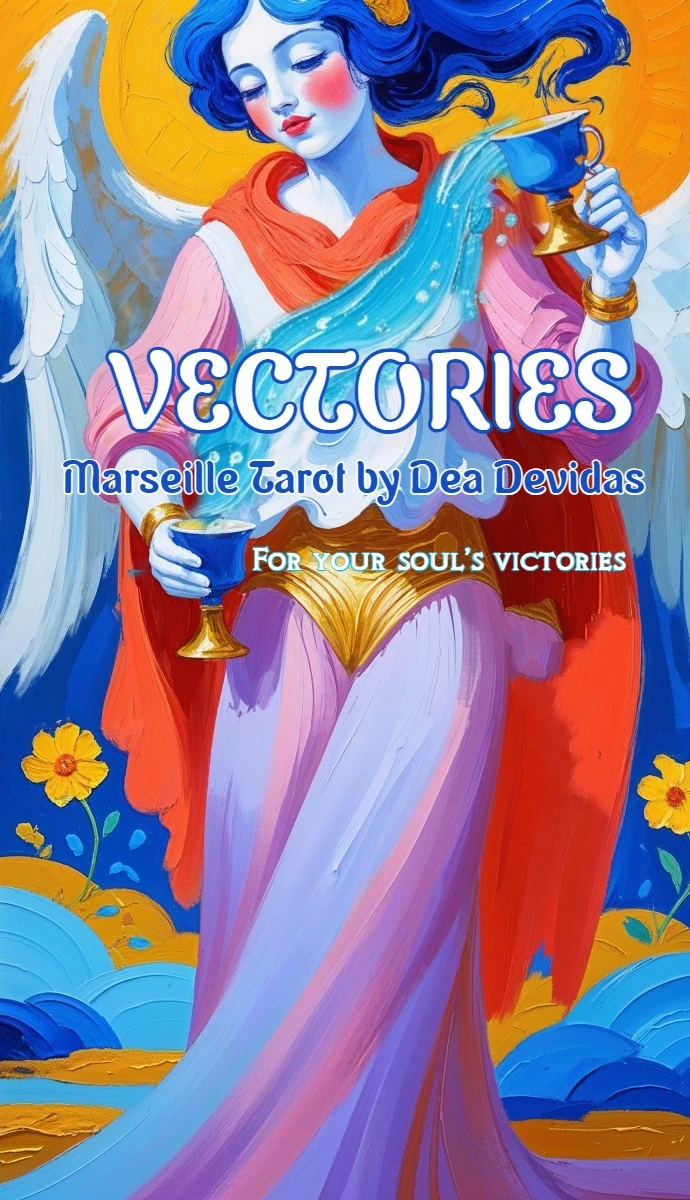
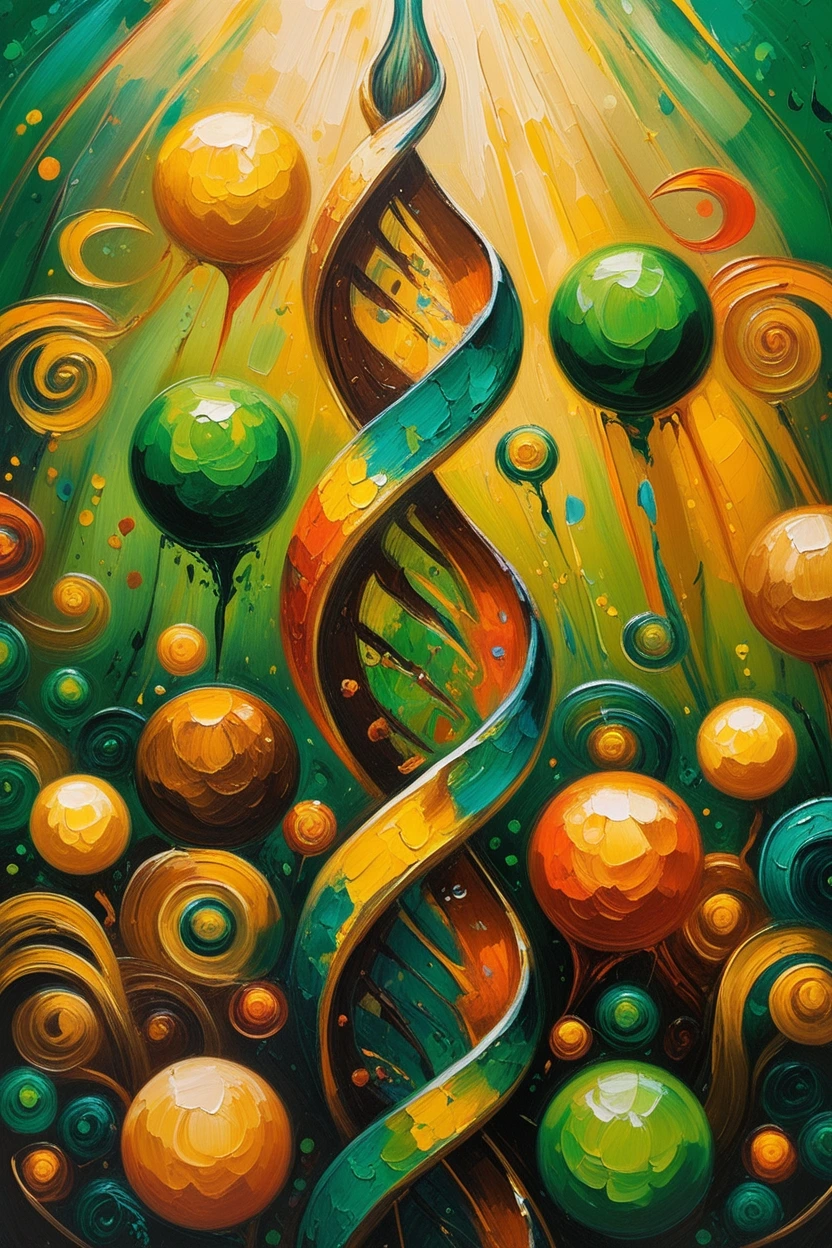
Fauvism is my favourite artistic language. Its boldness. Its appetite. The way colour steps forward and becomes an event in its own right... something the eyes can feel in the pulse, in the chest, in the warmth behind the sternum when you look at something that's genuinely alive.
I wanted that pulse inside the Marseille structure. Colour with blood in it. Something vivid enough to meet my own sensibility while leaving the symbols clear, available, unfinished... waiting for your question to complete them.
So I brought these two loves together. Marseille's symbolic architecture and the expressive freedom of Fauvism. Like introducing your most intellectually rigorous friend to your most unapologetically alive one and watching them realize they've been looking for each other this whole time. The conversation just... changed temperature.
(The Fauvist palette, arriving at the Marseille structure: "Oh. Oh, you have BONES. Beautiful, ancient bones. You've been holding all this meaning in place for centuries with this level of restraint? Honey. Your cups stay cups. Your numbers stay sacred. Everything that matters keeps its seat. I'm just here to change what the light does. Don't even blink. Actually, blink. You'll need wet eyes for this.")
The cups remain cups. Their number still matters. Their relationships still matter.
And the whole image gets to breathe in colour that has a heartbeat.
That was the pleasure of creating this deck. Discovering how alive a familiar language could feel when dressed in a palette that felt like mine. Same melody. Different blood.
My approach to Tarot begins with the present. The pattern taking shape. The tension gathering. The direction a situation is already leaning. I read that direction as a vector. It has momentum. It has intensity. It moves through flesh and decision and timing. And it can change.
A reading gives me something alive to work with. Where is the force going? What keeps feeding it? What becomes possible if you respond differently?
The future is not a sentence you're serving. There is room to move.
That's the idea inside the name. Vectors meeting victories, with a nod to the Tarot's trumps, its triumphs. And for me, there's a particular kind of victory in recognising a direction early enough to choose what you do with it. Sometimes that victory is loud and obvious. Sometimes it's so quiet you'd miss it if you weren't paying attention. A sentence spoken differently. A familiar reaction caught mid-launch and set down instead of thrown. A decision finally made with both feet on the actual floor.
Love, those quiet ones count. They might be the ones that count most.
Clear symbols. Living colour. Enough room for context and enough freedom for the next moment to be different from the last.
Bring your question. Look closely.
There is still room to move. ✨